Introduction
Robotic surgery is changing the way doctors treat many diseases, including cervical cancer. In fact, robotic surgery for cervical cancer is becoming more common. This advanced method uses special tools and a robot to help doctors perform surgery with great care. Because of this, many people are asking if robotic surgery is the future of cancer treatment. In this blog, you will learn what robotic surgery is, how it works for cervical cancer, and what the future may hold.
What Is Robotic Surgery?
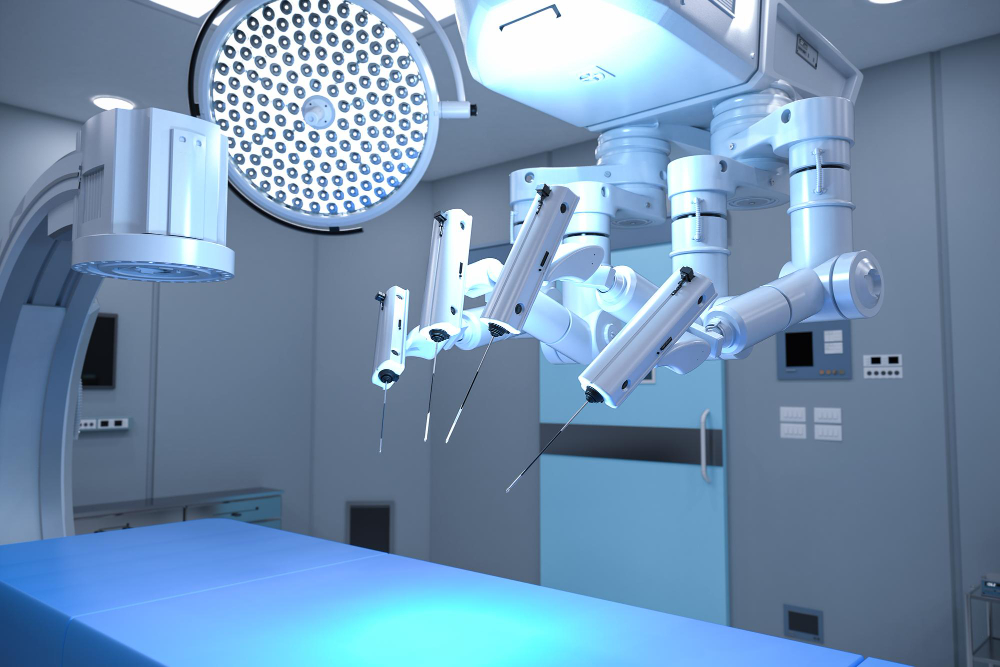
Robotic surgery is a type of minimally invasive surgery. This means doctors use small cuts instead of large ones. During the procedure, a surgeon controls a robot with tiny arms. These arms hold special tools and a camera. The camera gives a clear, close-up view inside the body. As a result, the surgeon can move the tools with great accuracy. Although the robot helps, the doctor is always in control.
How Robotic Surgery Works in Cervical Cancer Treatment
For cervical cancer, robotic surgery can remove cancerous tissue or the cervix itself. First, the surgeon makes a few small cuts in the lower belly. Then, the robot’s arms are placed through these cuts. Next, the surgeon sits at a control panel and guides the robot. Because the tools are very precise, the surgeon can remove cancer while protecting healthy tissue. This method is often called minimally invasive cancer treatment.
Benefits of Robotic Surgery for Cervical Cancer
Robotic surgery for cervical cancer offers many benefits. Some of the main advantages include:
Because of these benefits, many patients prefer robotic surgery over traditional open surgery. According to the World Health Organization (WHO), minimally invasive techniques can help improve recovery and lower risks.
Risks and Considerations
Even though robotic surgery is safe for most people, there are some risks. It is important to know these before making a decision. Possible risks include:
However, most problems are rare. Your doctor will talk with you about your health and help you decide if robotic surgery is the best choice.
The Future of Robotic Surgery in Oncology
Robotic surgery is growing quickly in cancer care. In many cities, hospitals now offer this advanced treatment. As technology improves, robots will become even more precise and easier to use. For example, new robots may help doctors treat more types of cancer. In addition, more people will have access to minimally invasive cancer treatment. The future of cancer surgery looks bright, with better results and faster healing for patients.
Frequently Asked Questions
Conclusion
Robotic surgery is shaping the future of cervical cancer treatment. It offers many benefits, such as less pain and faster healing. Still, it is important to talk with a specialist about your options. Consult a specialist at Dr. Satish Pawar’s Clinic to learn if robotic surgery is right for your cervical cancer treatment.