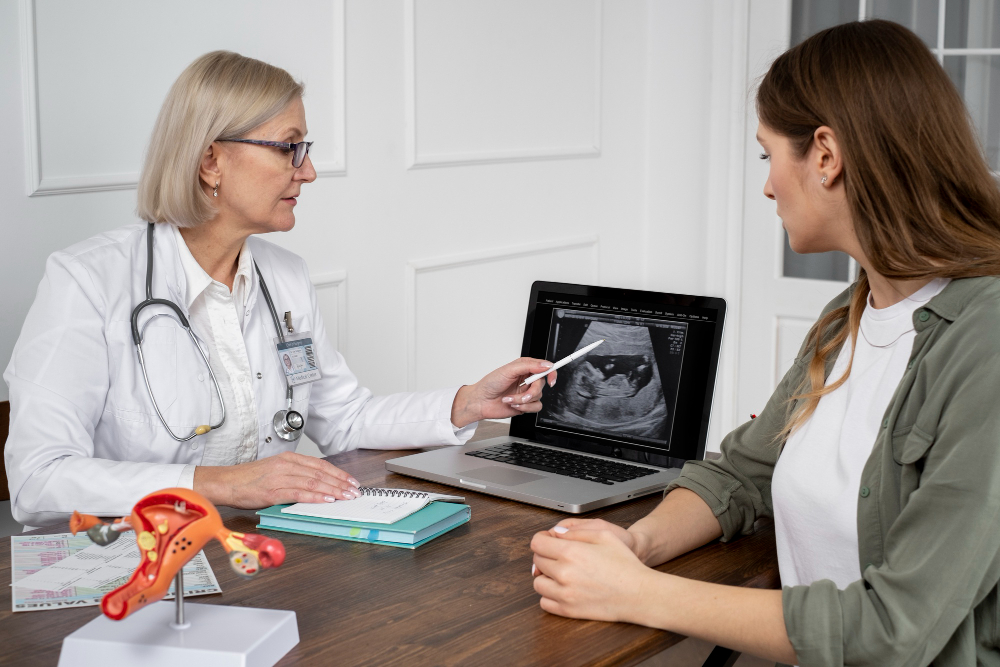
What is Cervical Cancer?
Cervical cancer is a type of cancer that starts in the cervix. The cervix is the lower part of the uterus that connects to the vagina. This cancer often develops slowly over time. In many cases, it is caused by a long-lasting infection with certain types of human papillomavirus (HPV). Early detection of cervical cancer symptoms can make a big difference in treatment and recovery. According to the World Health Organization (WHO), regular screening and awareness of symptoms are key to preventing serious health problems.
Common Symptoms of Cervical Cancer
Many people with early cervical cancer may not notice any symptoms. However, as the disease progresses, some signs may appear. It is important to pay attention to changes in your body. Here are some common symptoms to watch for:
Not all symptoms mean you have cervical cancer, but they should not be ignored. Sometimes, these signs can be caused by other health issues. Even so, it is best to get checked by a healthcare provider.
Early vs. Advanced Symptoms
At first, cervical cancer may not cause any symptoms. As the cancer grows, symptoms can become more noticeable. Early symptoms are often mild, while advanced symptoms may be more severe. Here is a breakdown:
Early Symptoms
Advanced Symptoms
Because early symptoms can be easy to miss, regular screening is very important. If you notice any of these signs, do not wait to seek help.
When to Seek Medical Advice
If you notice any unusual symptoms, it is wise to talk to a healthcare professional. You should seek medical advice if you experience:
Even if your symptoms seem mild, it is better to be safe. Early medical advice can help find problems before they become serious. Your doctor may suggest tests like a Pap smear or HPV test to check for cervical changes.
Importance of Early Detection
Early detection of cervical cancer symptoms can save lives. When found early, cervical cancer is easier to treat and has a better outcome. Regular screening, such as Pap smears, can find changes in the cervix before cancer develops. The Centers for Disease Control and Prevention (CDC) recommends regular screening for women starting at age 21. If you are at higher risk, your doctor may suggest more frequent checks. Remember, early action can make a big difference.
Frequently Asked Questions (FAQ)
If you notice any of these symptoms, consult a healthcare specialist at Dr. Satish Pawar’s Clinic for personalized advice. Early action can protect your health and well-being.